
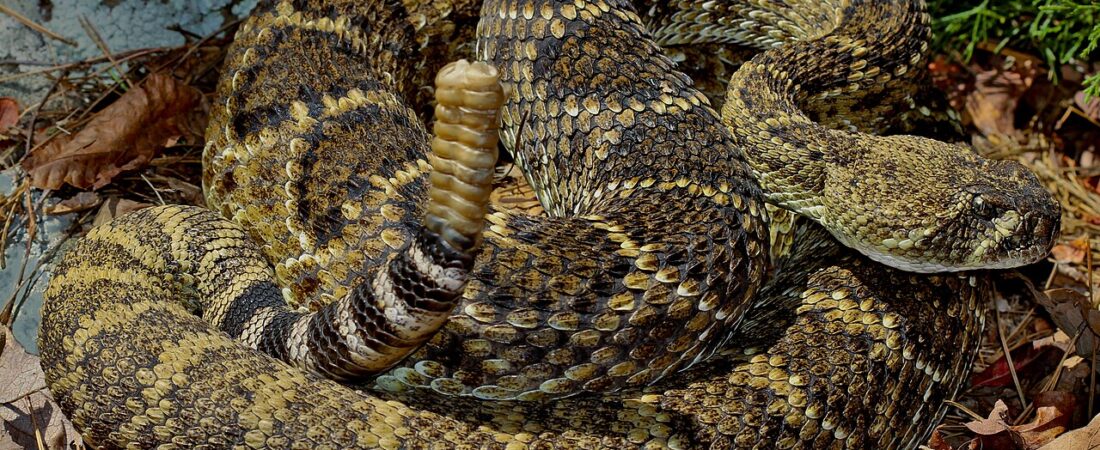
Natural resistance to venom in snakes may offer a route toward more effective antivenoms. Researchers studying the western diamondback rattlesnake (Crotalus atrox) examined metalloproteinase-inhibiting proteins circulating in its blood.
Individually, some of these proteins provided only modest protection. In specific combinations, however, their venom-neutralizing effect increased sharply. Laboratory work reported strong activity against multiple venoms, and protective effects were also observed in mouse experiments.
The findings are interesting because current antivenoms are often species-specific, costly to produce and variable between batches. A broader-spectrum treatment based on defined protein combinations could eventually improve standardization and availability.
But this remains preclinical research. Human safety, dosing, manufacturing and effectiveness across different snake species still require extensive testing.
Source: Carroll et al., Proceedings of the National Academy of Sciences (2026), DOI: 10.1073/pnas.2612168123.